
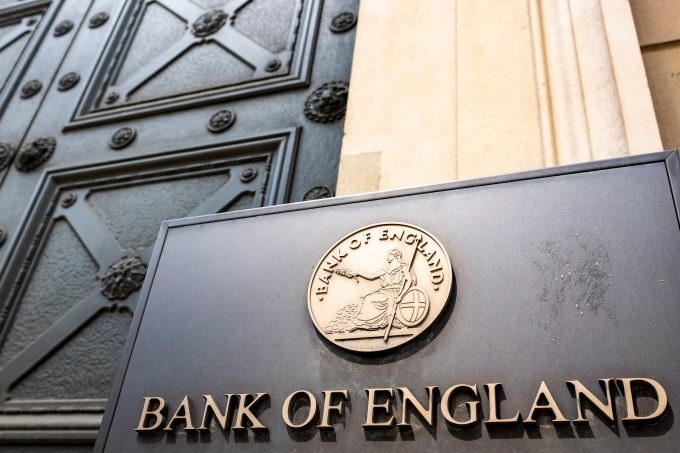
The Bank of England has raised interest rates to 4%, the first hike in over three years that came with a surprise unanimous vote by policymakers.
The quarter of a percentage point rise was totally expected, but the consensus agreement on the nine-strong monetary policy committee was not, with the pound briefly rising and the FTSE 100 dipping after the midday announcement.
James Lynch, investment manager at Aegon Asset Management, said: “This was a hawkish meeting. The MPC have voted to increase interest rates to 4% from 3.75%, with all members voting to increase and Catherine Mann even voted to increase to 4.25%, being the only dissenter. The market was fully expecting the increase, but not that vote split, it was assumed one or two members would have not voted for an increase at all.”
The MPC made its decision after leaving rates on hold in six previous meetings, calculating it had to respond to the inflationary impact of high oil prices resulting from the US-led war on Iran.
Speaking to journalists after the announcement, Bank of England governor Andrew Bailey welcomed the 8% drop in oil prices yesterday after the Democrat victory in the US midterm elections raised the prospect of a resolution to the conflict in the Middle East.
Bailey said the fall in crude prices was “positive news” but there was “already a significant amount of inflationary pressure in the pipeline”.
He added: “If we continue to get good news on the conflict, that will reduce the risk of further inflationary pressures building.”
The market’s concern was short lived with the FTSE 100 trading 91 points, or 0.8%, higher at 10,920 this afternoon.
After yesterday’s 0.5% gain against a dollar weakened by the US election results, the pound traded 0.1% down on the day at $1.346.
Brent crude oil stood at $97.06 a barrel, up 2.6% on the day but down from $123 on 27 October.
UK base rate remains below its 2023-24 peak of 5.25%.
James Flintott, head of investment solutions at AJ Bell, said: “The change in market expectations, from forecasts for three hikes in the next year just a week ago to two now, has come in response to easing oil prices. This has led to government bond yields falling from their recent peaks, a move capture by those who bought gilts in recent weeks.
“It is a useful reminder that cash savings can miss out when markets move. Higher rates help cash returns, but they can change quickly and many not keep pace with inflation.”
