
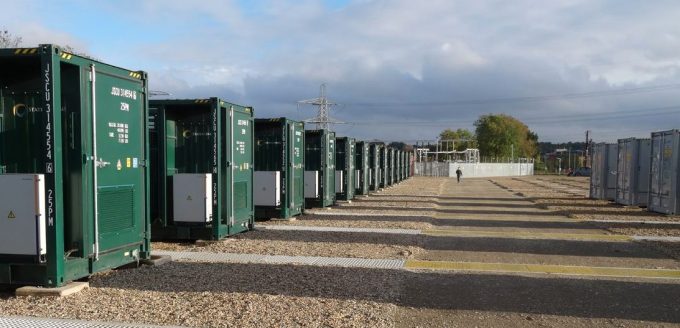
Gresham House Energy Storage (GRID), the £620m battery fund that put itself up for sale this month, has posted a third successive quarter of growth in net asset value (NAV) as it attempts to push on with its recovery as a standalone business.
NAV per share rose 2.2% to 134.23p in the third quarter (Q3), down from the 14.6% growth in the second quarter which the board had heralded as a sign that its three-year growth plan was working.
In the first quarter to 31 March NAV per share rose 1.1%.
The latest valuation at 30 September is around 3.6p above the first quarter of 2024 when the company was hit by a slump in UK energy trading revenues and scrapped its 7.5p annual dividend. Surpassing that level may bolster GRID’s efforts to pursue its growth plan while also seeking buyers.
The three-year plan was launched in November 2024 and expanded in May this year, two months before activist PrimeStone Capital urged the company to find a buyer in order to release value for shareholders stuck with highly discounted shares. GRID’s board rejected this advice in September following the strong second quarter trading but in a surprise move changed its mind at the start of this month in response to some shareholders seeking a quicker exit.
The latest rise in NAV reflected a combination of higher inflation, updated cost assumptions, movements in interest rate swaps and new capacity market contracts that more than offset the impact of rising interest rates and lower short-term gas price forecasts.
Two projects in Tynemouth and Rufford were offline for most of the quarter as they underwent augmentation to improve their performance. As a result operational capacity was steady at 1,072MW/1,907MWh while annualised revenue per MW fell to £60,600/MW from £63,200/MW in the first half.
After their upgrades, the two assets add around 54MWh of additional capacity and should generate revenues at a higher rate, GRID said.
Two other projects, Red Scar and Roundponds, were both re-energised last month following successful augmentations that GRID said increased their capacity from 49MW/74MWh to 49MW/110MWh and from 20MW/26MWh to 20MW/50MWh, respectively.
A site in York is expected to complete augmentation this month that will lift its capacity from 50MW/76MWh to 50MW/125MWh.
The construction of the Cockenzie, Monets Garden and Elland 2 projects, which began in the second quarter, is progressing as planned and is on schedule. Meanwhile, GRID is preparing to start refinancing the senior debt of its Lister Drive, Ocker Hill and Rayleigh projects, which it expects to complete in the second half of next year.
Fund manager Ben Guest said the construction projects and augmentations moved GRID’s storage systems closer to an average duration of two hours. “Taking account of the current macro-economic environment, we have increased our unlevered discount rates by 25bps [0.25% to 11.11%] to ensure we are reflecting the current market conditions into our valuations. Our focus continues to be on executing the remaining augmentations and the construction of the new projects to increase the portfolio’s cash generation.”
GRID shares firmed half a penny to 109.5p, 18.5% below the new NAV. That’s an improvement on the 30% average discount of the past year with the shares up 47% in six months. They remain well below their 179.5p peak in September 2022.
Our view
Richard Williams, senior analyst at QuotedData, said: “GRID’s NAV uplift came despite headwinds from higher discount rates and weaker revenue forecasts and takes growth for the first nine months of 2026 to 18.3%, providing further evidence of the progress being made under its growth plan. Operational performance was encouraging, with revenues increasing 22% and EBITDA rising 18%, although revenue per MW was below the first-half average. These figures were achieved despite two assets being largely offline for upgrades during the quarter. The completion of further augmentations, which increase the duration of existing batteries and their ability to capture trading opportunities, should provide a boost to earnings and support future NAV growth. This is particularly relevant following the board’s recent decision to launch a formal sale process. As we have previously argued, there is a balance to be struck between securing a quicker return for shareholders and retaining the potential upside from GRID’s development pipeline. The latest results provide further support for the value being created within the portfolio. Whether prospective buyers are prepared to recognise this potential in their offers remains to be seen.”
