
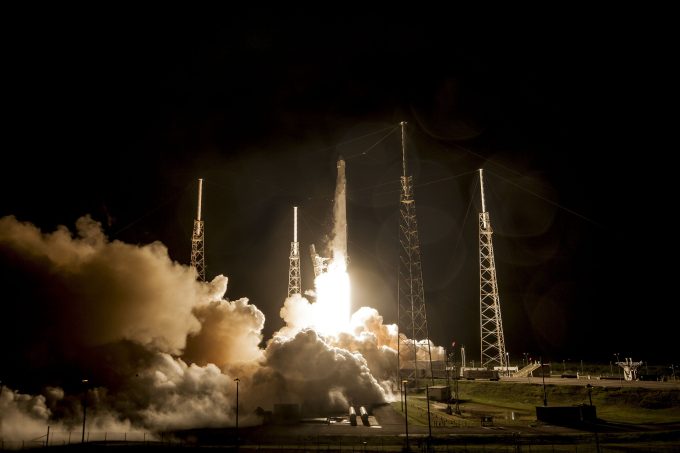
RIT Capital Partners (RCP) continued to fire on all cylinders in the first half of the year, helped by an unrealised gain of £110m in the record $1.7trn SpaceX flotation.
Interim results show the £3.2bn global multi-asset fund backed by the Rothschilds generated an underlying investment return of 9% in the six months to 30 June, extending the 13.5% growth in net asset value (NAV) in 2025 and giving it a 12-month return of 19.7%.
SpaceX made a big contribution to both the 9.1% return from RCP’s private investments and the 7.8% gain from quoted equities as its valuation surged both before and after the flotation on 12 June.
However, SpaceX shares have subsequently slid to $108.27, below their $135 listing price, reducing the investment trust’s uncrystallised profit from its first investment in Elon Musk’s rocket, satellite and artificial intelligence group in November 2024.
Uncorrelated strategies, the third pillar at 20% of RCP’s diversified portfolio, made 5.6%, largely from investments in absolute return and credit funds. This accounted for 1.5% of the 9% investment return.
Private investments, which account for 33% of assets, contributed 3.3% to the rise in NAV as did quoted equities at 48% of the portfolio.
In figures that should quash lingering concerns over unquoted investments, RCP said SpaceX’s move to the Nasdaq stock exchange had enabled the fund to exit more than 43% of its private holdings in the past two years at 70% above their aggregate previous valuations.
RCP also increased its investment in Anthropic and Databricks, the two AI companies that with SpaceX received £42m of its capital in late 2024.
However, despite the “strong” underlying performance, which beat the trust’s 2.8% inflation hurdle, the shares rose just 2% in the half year, well below the 12.5% of global stock markets.
To boost the flagging shares, RCP launched a tender offer last month buying back £300m of shares at a 15% discount to NAV when they stood 24% below the value of its investments. This had the desired effect with the shares leaping 14% in the past four weeks, to narrow the discount to 18%. This lifts its three-year shareholder return to 41.1%.
The company continued to buy back its undervalued shares, purchasing £60m, or 1.9%, to take the total acquired in the past three years to more than 13%.
The company is reviewing its dividend policy but paid an interim payment of 45p per share, up 4.7% on a year ago, with a second due in October. This will mark RCP’s 13th consecutive year of dividend growth.
Chair Philippe Costeletos said the interim results demonstrated “further momentum” under Maggie Fanari who was appointed chief executive of its fund manager J Rothschild Capital Management two years ago.
Fanari said: “The performance announced today extends our long-term track record of 10.7% annualised NAV per share total return since inception. Compounding at this rate over decades requires both the ability to capture growth and the discipline to protect capital when markets fall. Our portfolio is deliberately constructed to do just this.”
Our view
James Carthew, head of investment company research at QuotedData, said: “Today marks the first opportunity for many SpaceX shareholders who owned shares ahead of the IPO to sell a portion of their shares. 911.5m shares will be eligible for sale, potentially expanding the existing free float by 143%. The next tranche becomes available on 20 August. Ahead of this, the SpaceX share price has been falling and currently stands at around $108. However, for investors such as RIT Capital, whose half-year statement today implied an “in-price” of around $34, this is still a profit worth taking.”

I own RIT in my portfolio, I would feel comfortable if they cashed in ASAP. When the pre IPO investor smell the dollar bill most will likely sell, it would be no surprise to me if you could pick up shares in SpaceX for less than $100 by the end of the month. With the AI element it no longer is a good investment because Musk his diverting the profits into AI which is one big money pit.