
Supermarket Income REIT (SUPR) has completed the deployment of the proceeds from its £100m July equity raise after acquiring six grocery properties for £104m.
The acquisitions, combined with the £118m purchase of three supermarkets announced in July, take SUPR’s recent investment to £222m. The nine properties have been acquired at an average net initial yield of 6.6% and have a weighted average unexpired lease term (WAULT) of 10 years.
These latest acquisitions broaden the types of grocery property owned by SUPR. Alongside its core large-format omnichannel supermarkets, the portfolio acquisition adds exposure to grocery distribution, convenience stores and grocery-anchored retail parks.
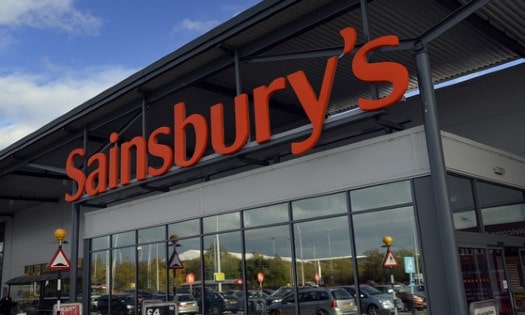
The new acquisitions comprise a Sainsbury’s supermarket in Macclesfield, a Morrisons in Leeds, an M&S-anchored retail park in Nottinghamshire, a Co-op in Birmingham, an M&S-anchored property in Glasgow and a Sainsbury’s grocery distribution centre in Avonmouth.
The largest traditional supermarkets within the latest portfolio offer particularly long income. The 74,000 sq ft Sainsbury’s in Macclesfield and 80,000 sq ft Morrisons in Leeds both have 13 years remaining on their leases. The Sainsbury’s distribution centre has an unexpired lease term of 14 years.
The Macclesfield store is subject to annual RPI-linked rent reviews, with a 2% floor and 4% cap, while the Morrisons lease has five-yearly RPI-linked reviews. The distribution centre has five-yearly open-market rent reviews, with SUPR highlighting the potential to capture rental reversion.
The other acquisitions broaden the portfolio beyond SUPR’s traditional focus on large omnichannel supermarkets. The Nottinghamshire retail park is fully let to occupiers including M&S, B&Q, Costa, Greggs and Mountain Warehouse, while the Birmingham acquisition is a 4,000 sq ft Co-op convenience store.
SUPR raised £100m of new equity in July and deployed the proceeds, along with debt, within two months.
QuotedData’s view
QuotedData’s Richard Williams said: “The speed with which SUPR has put its July equity raise to work is encouraging, avoiding cash drag. The 6.6% average acquisition yield also looks attractive against SUPR’s 4.4% weighted average cost of debt. While that is not the same as the marginal cost of financing new acquisitions, the 220 basis point spread provides some useful context. The shift in the composition of the acquisitions is interesting. SUPR remains predominantly a landlord of large supermarkets, but the addition of grocery distribution centres, convenience store and grocery-anchored retail assets brings some diversification benefits, although the characteristics of the income vary. The supermarkets provide long leases and, to varying degrees, inflation-linked rental growth, whereas the retail park and other assets with open-market reviews introduce greater exposure to underlying property rental values.”